WIC Data Collection
Evaluate the WIC data collection efforts and make recommendations for improving processes and procedures, and ultimately facilitate the efficient distribution of resources to women and children in need.



With expertise in child welfare and development, mental health and substance use, youth and family resilience, community-based programs, disaster relief, and juvenile justice, MSG’s health and human services experts support client success and sustainable outcomes. Our innovative work includes grantee onboarding and management, implementing evidence-based practices, building capacity and systems development, and program design and performance evaluation.
Subject Matter ExpertiseMSG’s capabilities are based on the depth and breadth of expertise gained through decades of hands-on experience in fields such as:
Core Clients
Contact

MSG supports the U.S. Department of Agriculture, Food and Nutrition Service, through on-site evaluations of retail stores specified by the Supplemental Nutrition Assistance Program (SNAP). MSG will evaluate stores in the continental United States, Hawaii, portions of Alaska, U.S. Virgin Islands, and Guam by collecting and analyzing data of retail businesses that are applying or renewing their applications to accept SNAP benefits. The data will be used to confirm the site eligibility in SNAP according to relevant laws, reg…

A multifaceted training and technical assistance project supporting the Office of Family Assistance (OFA) and their 110 Healthy Marriage and Responsible Fatherhood (HMRF) and 8 Tribal TANF Child Welfare nationwide grantees that provide structured programming and wraparound services to individuals, couples, and families to support participants in attaining self-sufficiency and improving outcomes for children. Manhattan Strategy Group (MSG) manages communications, project development, virtual and in-person group events, and…

MSG supports States, U.S. territories, tribes, and localities in delivering an effective mental health and substance use-related response to disasters through the delivery of disaster behavioral health training and technical assistance, resources, and consultation.

MSG supported FYSB's RHY communications strategy for print, web, and social media content. This included maintaining FYSB's website and engaging key audiences to raise awareness about youth experiencing homelessness and runaway youth.

MSG provides training and technical assistance to States and more than 2,000 opioid treatment programs on implementing the 42 CFR Part 8 revisions. This initiative aims to enhance the quality of and access to opioid use disorder treatment.





Evaluate the WIC data collection efforts and make recommendations for improving processes and procedures, and ultimately facilitate the efficient distribution of resources to women and children in need.
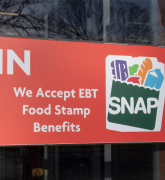
MSG collaborated with USDA to create a scoring system for authorizing retailers accepting SNAP benefits that increased access to healthy food among low-income populations and ensured program integrity.
MSG supports the U.S. Department of Agriculture, Food and Nutrition Service, through on-site evaluations of retail stores specified by the Supplemental Nutrition Assistance Program (SNAP). MSG will evaluate stores in the continental United States, Hawaii, portions of Alaska, U.S. Virgin Islands, and Guam by collecting and analyzing data of retail businesses that are applying or renewing their applications to accept SNAP benefits. The data will be used to confirm the site eligibility in SNAP according to relevant laws, regulations, and policies.
MSG partnered with the U.S. Department of Health and Human Services’ Office on Women’s Health to lead a national awareness and behavior change campaign on sarcopenia, a condition marked by the loss of muscle mass and strength with age. Targeting women ages 65 and older, along with their caregivers, families, and health care providers, MSG developed a full-scale communications strategy grounded in Applied Empathy to promote prevention, early detection, and treatment.
MSG helped the U.S. Department of Agriculture (USDA) identify an innovative approach to measure erroneous payments in the National School Lunch Program (NSLP) and School Breakfast Program (SBP) to help better target funds to deserving students and improve academic outcomes.
Provides logistical support to facilitate and disseminate proven, innovative strategies to strengthen fathers and families.
MSG developed a tool to measure the combined cost of housing and transportation in 950+ metropolitan regions nationwide, as well as investigated potential uses to improve policy and funding decisions.
Assessment of the Food Distribution Program on Indian Reservations Regional Vendor Pilot program, including considerations of operations, food quality, and stakeholder satisfaction.
MSG conducted a research project on behalf of USDA to identify components that explain the State variations in SNAP administrative expenses, including the impact of geographic pay differences; state and caseload characteristics; and variations in eligibility systems and certification options. The evaluation also determined the relationship between payment accuracy, timeliness in application processing, and program access on State administrative expenses.
MSG developed a valid and reliable method to assess an error in the multimillion-dollar Child and Adult Food Care Program (CACFP), a program that provides nutritious food to ensure wellness, healthy growth, and the development of young children.